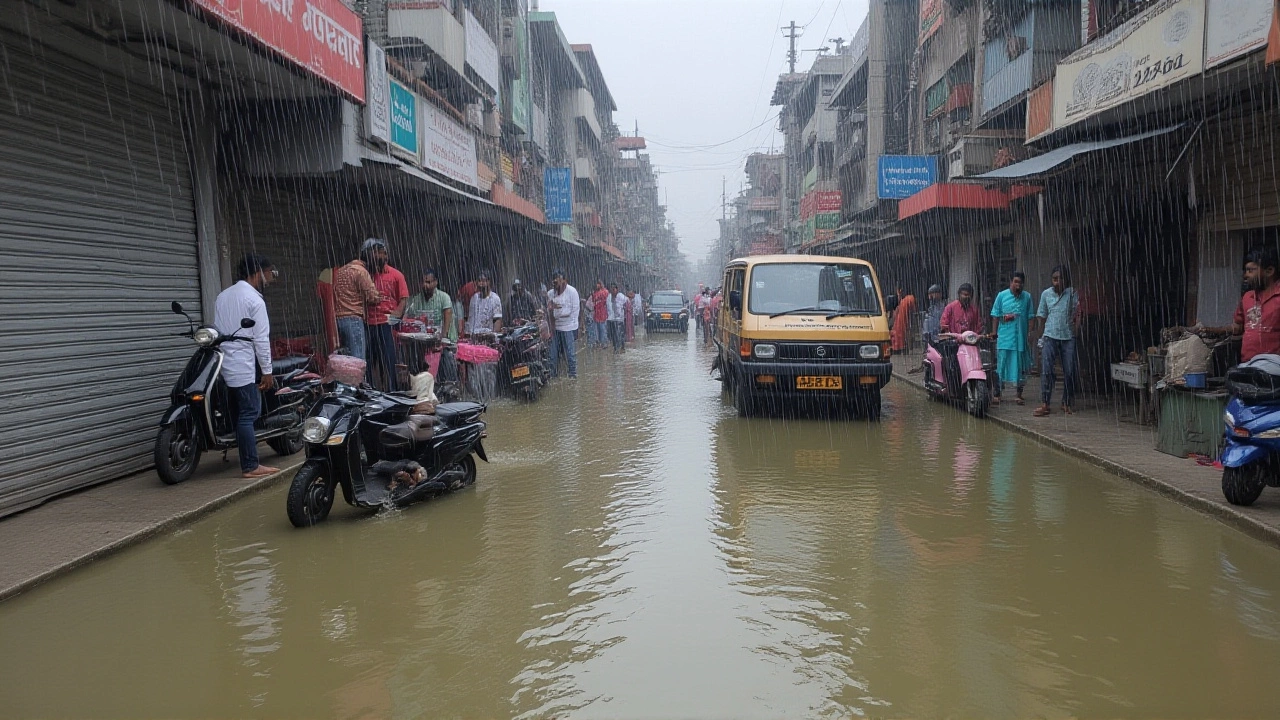
It’s a brutal kind of irony that defines this week in Bihar. One moment, you’re baking under a scorching sun; the next, the sky turns black, winds howl at 50 km/h, and lightning strikes with lethal precision. On Tuesday, that volatility claimed four lives in Jamui district alone, leaving families shattered and communities on edge.
The tragedy wasn’t isolated. Across the state, from the southern banks of the Ganges to the northern plains, severe weather systems triggered by a low-pressure area over the Bay of Bengal have turned routine commutes into生死 gambles. With red alerts flashing for Jamui and Banka, and orange warnings covering five other districts, the message from meteorologists is clear: stay indoors, or risk everything.
A Tragic Afternoon in Jamui
The details emerging from Jamui are heart-wrenching. In the Belamba panchayat area of the Sono block, an eight-year-old girl named Ravo Khatoon, daughter of Moin Ansari, was struck by lightning. She died instantly. Her mother, Najo Khatoon, suffered severe burns and required immediate medical attention.
Just miles away, near Saroun panchayat in the Chakai police station jurisdiction, two young men riding a motorcycle were caught in the open during a downpour. Raman Kumar Yadav, a resident of Deoghar, died on the spot. His companion, Nivas Kumar Yadav from Bhagalpur, survived but was critically injured. Both men worked for a microfinance company in Chatra, Giridih, and were returning from field work when the storm hit.
Here’s the thing about lightning strikes: they don’t discriminate. They hit children playing, workers commuting, and anyone unfortunate enough to be outside when the atmospheric charge discharges. In total, four people died and four others were burned in Jamui. One of the critically injured survivors has been referred to hospitals in Patna, the state capital, for advanced care.
Red and Orange Alerts Sweep the State
The India Meteorological Department (IMD) hasn’t minced words. A red alert—the highest level of warning—was issued for Jamui and Banka districts. This isn’t just rain; it’s a threat to life. In Banka, another woman lost her life to a lightning strike, though her identity remains unconfirmed in initial reports.
Meanwhile, an orange alert covers Khajaria, Darbhanga, Begusarai, Saharsa, and Samastipur. These areas face strong winds and heavy rainfall, creating hazardous conditions for travel and outdoor activities.
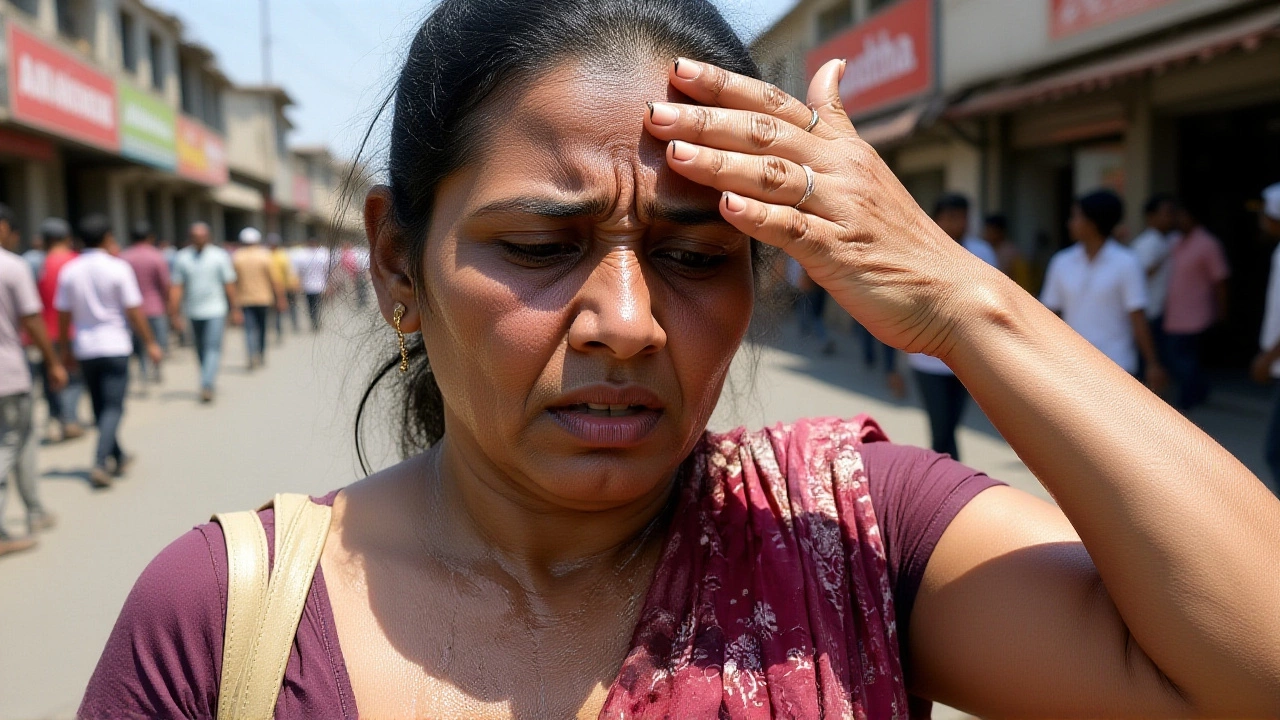
Why is this happening now? The culprit is a weather system forming over the Bay of Bengal and its surroundings. It’s disrupting the usual pre-monsoon patterns, causing erratic shifts between extreme heat and violent storms. While the IMD predicts normalcy might return after May 20, temperatures could spike by up to 4°C during the transition, adding to the discomfort.

A Broader Pattern of Death and Destruction
This isn’t an isolated incident. According to bulletins from News18 Bihar Jharkhand, a similar severe weather event earlier in May 2026 killed 13 people across the state and injured more than a dozen others. The pattern is consistent: thunderstorms, known locally as 'thanka,' bring sudden gusts and lightning that catch people off guard.
By late May, the situation shows no signs of easing completely. Forecasts for May 25 through May 31 indicate continued instability. Winds may reach 18 km/h, humidity levels could hit 67%, and temperatures in some parts of Bihar have already touched 45°C. The contrast is staggering—sweltering heat followed by chilling rain and deafening thunder.
Experts warn that the danger window is between 12:00 PM and 4:00 PM daily. This is when atmospheric instability peaks, making lightning strikes most likely. Yet, many rural residents rely on agriculture and daily wage labor, forcing them outdoors regardless of the warnings.
What Experts Are Saying
Meteorologists emphasize that climate change is intensifying these pre-monsoon phenomena. "The energy in the atmosphere is higher," one analyst noted. "When cold air masses meet hot, humid air, the result is explosive."
The human cost is undeniable. For families like Ravo Khatoon’s, the loss is irreparable. For Nivas Kumar Yadav, recovery will be long and painful. And for thousands across Bihar, the next few days require vigilance. Don’t ignore the alerts. If the sky darkens and the wind picks up, seek shelter immediately. Your life depends on it.
Frequently Asked Questions
Who died in the recent lightning strikes in Bihar?
Four people died in Jamui district: eight-year-old Ravo Khatoon, her father Moin Ansari’s daughter, and Raman Kumar Yadav, a worker from Deoghar. Two others remain unidentified in initial reports. Additionally, a woman died in Banka district due to a separate lightning strike.
Which districts are under red alert?
Jamui and Banka districts are currently under a red alert, indicating severe weather threats including heavy rain and lightning. Orange alerts cover Khajaria, Darbhanga, Begusarai, Saharsa, and Samastipur.
When is the weather expected to normalize?
The India Meteorological Department suggests conditions may stabilize after May 20. However, forecasts for late May (25-31) still predict intermittent storms, high humidity, and temperature fluctuations due to ongoing weather systems.
What safety precautions should people take?
Residents are advised to avoid going outdoors between 12:00 PM and 4:00 PM, when lightning risk is highest. Seek sturdy shelter immediately if skies darken or winds increase. Avoid open fields, tall trees, and metal structures during storms.
How many people have died in Bihar due to weather in May 2026?
At least 13 people have died across Bihar in May 2026 due to severe weather events, including lightning strikes and cyclonic winds. More than a dozen others have been injured in these incidents.